Science
Science
The neurotransmitter glutamate plays a crucial role in the brain’s overall activity, while GABA (gamma-aminobutyric acid) is essential for inhibitory signaling. In epilepsy, an imbalance between these neurotransmitters can lead to seizures.
Dopamine is critical for regulating movement. In Parkinson’s disease, dopamine-producing neurons deteriorate, leading to motor control issues.
In multiple sclerosis, the immune system attacks myelin, disrupting neural communication. Targeted therapies aim to restore balance and protect neural integrity, improving patients’ health and quality of life.

Epilepsy
Individuals with epilepsy experience recurrent seizures due to abnormal electrical activity in the brain. This condition often stems from an imbalance between excitatory neurotransmitter glutamate and inhibitory neurotransmitter GABA. Restoring this balance is crucial to reducing seizure frequency and improving quality of life.
Parkinson's Disease
Parkinson’s disease results from the degeneration of dopamine-producing neurons, leading to symptoms such as tremors, rigidity, and bradykinesia. Effective treatments aim to replenish dopamine levels and improve motor function, significantly enhancing patient mobility and daily living.
Multiple Sclerosis
Multiple Sclerosis is an autoimmune disorder where the immune system attacks the myelin sheath, disrupting neural communication. This leads to a range of symptoms, including muscle weakness, coordination issues, and cognitive impairment. Therapies focus on modulating the immune response and protecting neural structures to reduce relapses and disease progression.
Other indications
Mentara Bio is exploring additional neurological disorders that involve neurotransmitter imbalances, such as Huntington’s disease, Alzheimer’s disease, and chronic pain syndromes. Utilizing advanced research platforms, we are investigating innovative compounds and therapeutic approaches to address these challenging conditions.
MN-301, a Glutamate Modulator
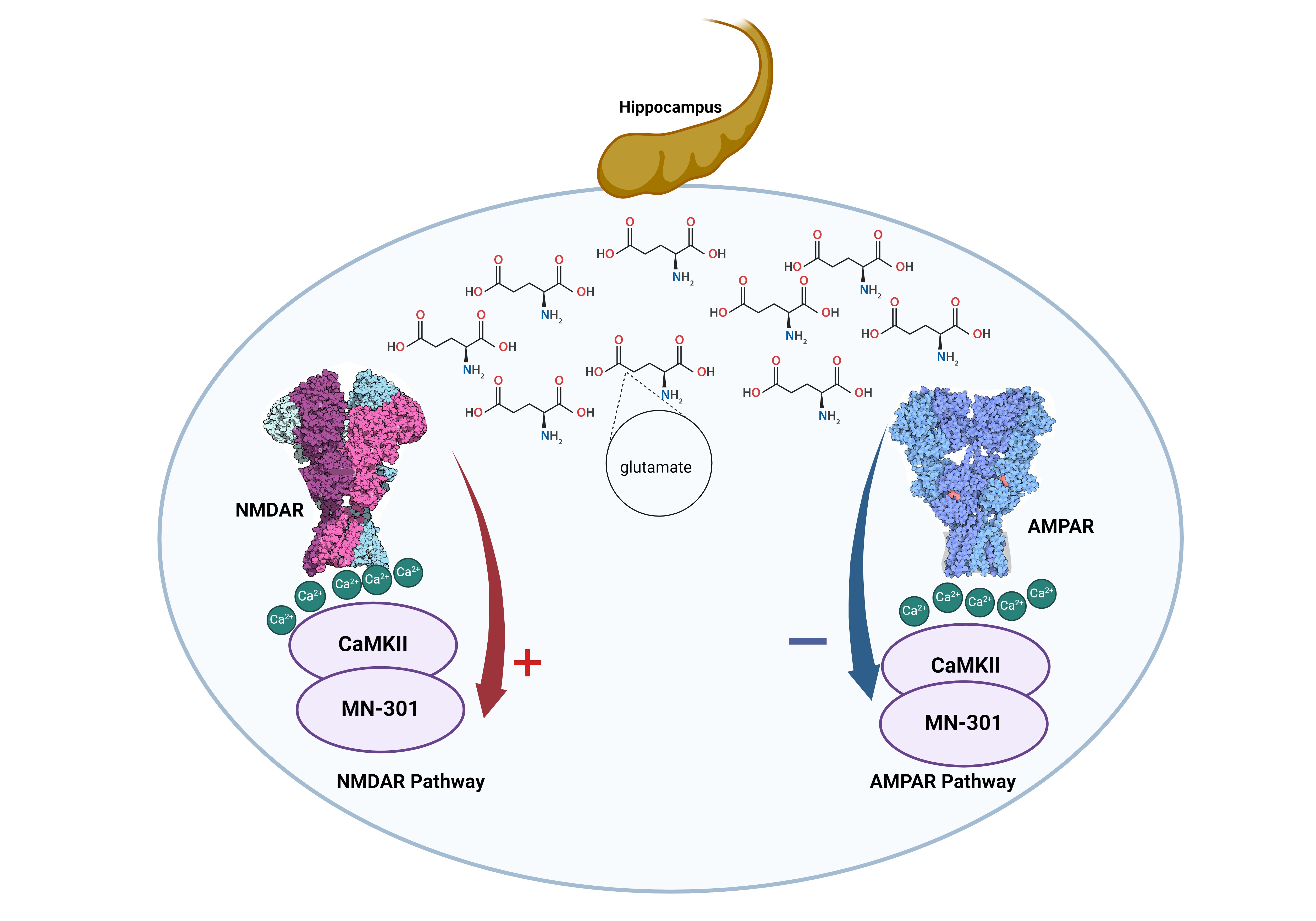
MN-301 specifically targets glutamatergic pathways believed to be dysregulated in individuals with epilepsy. By modulating glutamate activity, MN-301 aims to stabilize neuronal firing and reduce seizure occurrences. Its precise mechanism of action minimizes the risk of side effects commonly associated with broad-spectrum antiepileptic drugs, offering a safer and more effective treatment option for patients.
How MN-301 works for Epilepsy
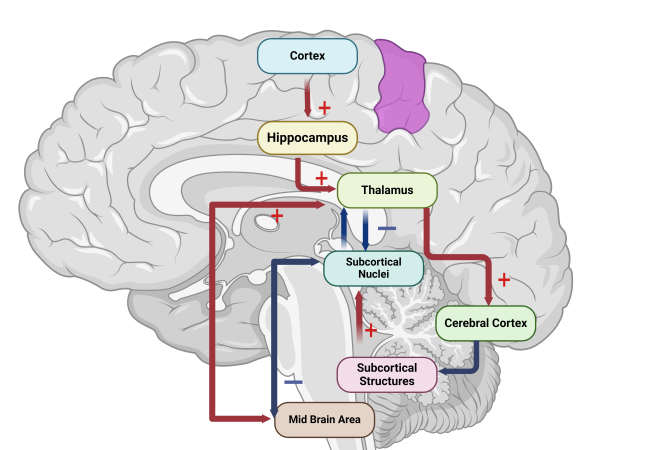
GPe = globus pallidus externus
STN == subthalamic nucleus
GPi = globus pallidus internus
SNc = substantia nigra pars compacta
GPe = globus pallidus externus
STN == subthalamic nucleus
GPi = globus pallidus internus
SNc = substantia nigra pars compacta
Neuronal Pathways
Epilepsy is believed to be caused by hyperactive neuronal circuits that lead to excessive electrical discharges in the brain, resulting in seizures. These disruptions affect areas such as the hippocampus and cortex, crucial for regulating and coordinating electrical activity in the brain.
In the Hippocampus
In neurons, the enzyme GAD65 synthesizes GABA, an inhibitory neurotransmitter. MN-301 enhances the activity of GAD65, increasing GABA levels. The overall effect is to boost inhibitory signaling, helping to restore normal electrical balance and prevent seizures.
Noncompetitive low-trapping NMDA antagonists
Mentara Bio is developing noncompetitive, low-trapping glutamate antagonists designed to inhibit receptors on neurons that are overly active. This clinically-validated approach is combined with innovative imaging technology to identify patients with Parkinson’s Disease who are most likely to benefit. The balance of neurotransmitters like dopamine and glutamate is crucial for managing motor functions and other symptoms in Parkinson’s Disease. By restoring this equilibrium, Mentara Bio aims to reduce symptoms and improve the quality of life for those affected by this neurological disorder.
Parkinson's Disease
Currently, there are limited effective treatments for Parkinson’s Disease that address its underlying causes. An imbalance in the regulation of brain glutamate and dopamine contributes significantly to the motor and non-motor symptoms of the disease. Noncompetitive low-trapping NMDA antagonists can help restore neurotransmitter balance without introducing new and severe side effects, offering a promising therapeutic strategy for improving the quality of life for Parkinson’s patients.
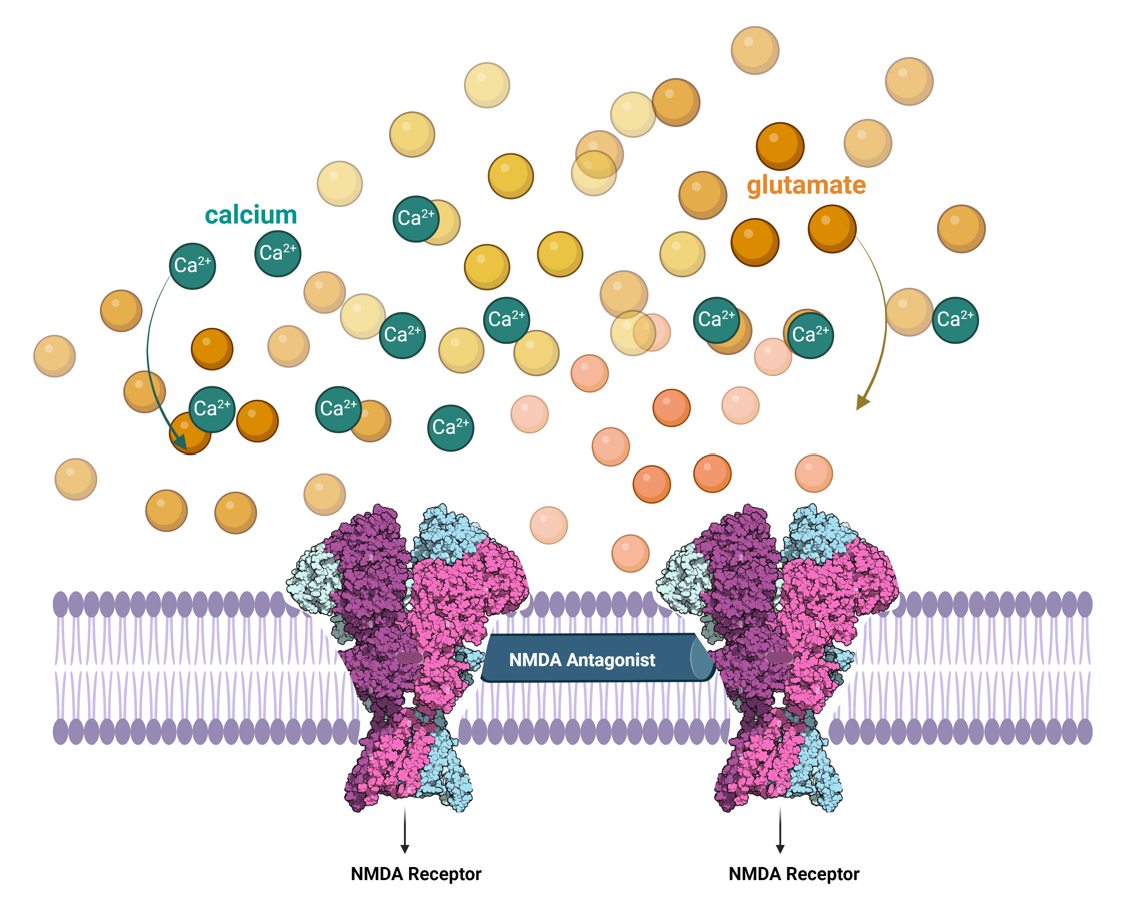
See how an NMDA antagonist can work for Parkinson’s Disease
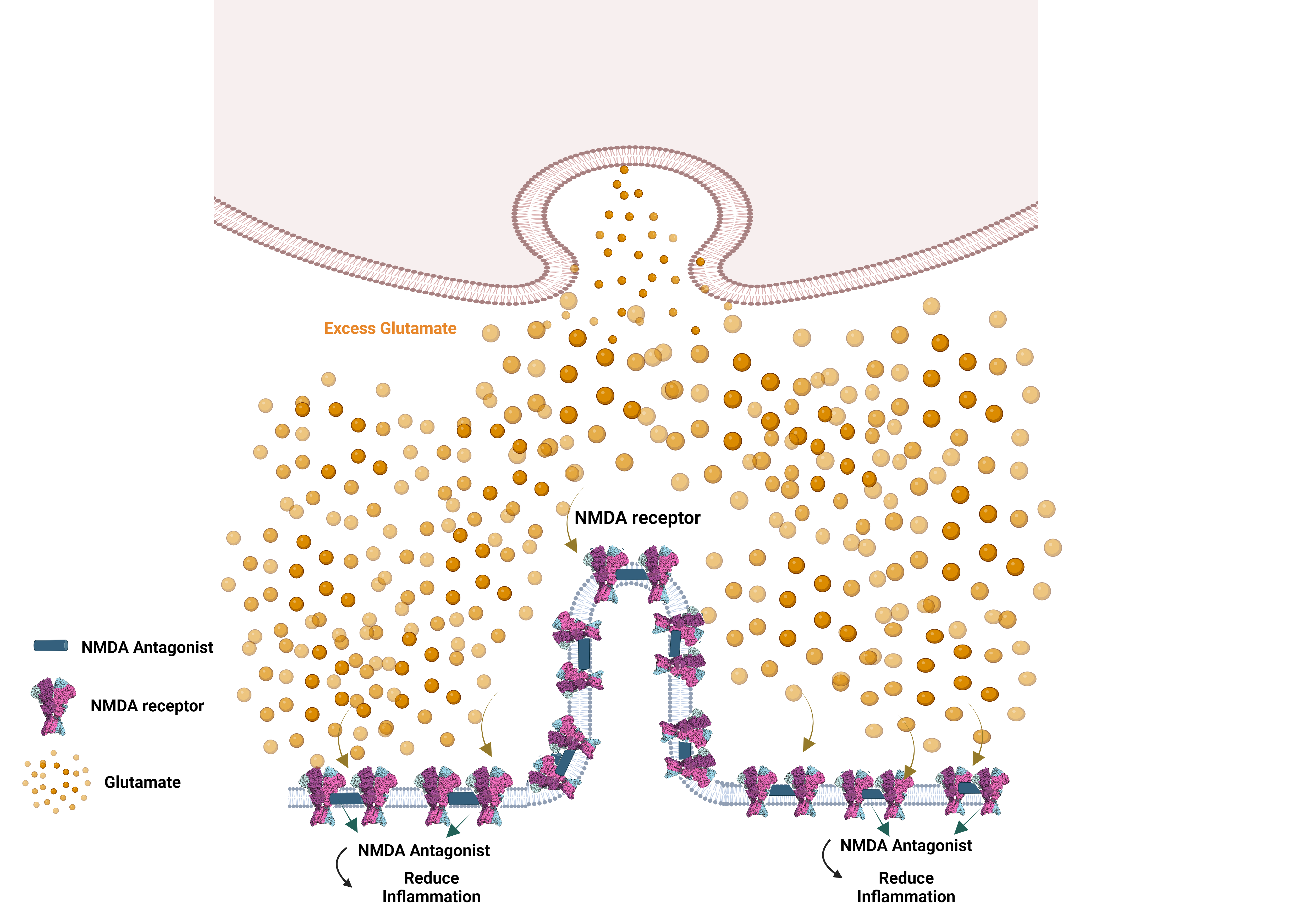
Multiple Sclerosis (MS)
In Multiple Sclerosis, excess glutamate contributes to the neuroinflammation and damage to myelin sheaths that protect nerve fibers. There are currently limited treatment options specifically targeting this pathway. Mentara Bio is developing an NMDA antagonist aimed at reducing glutamate-induced damage, thereby potentially slowing disease progression and improving neurological function in patients with MS. This research is part of our commitment to addressing serious neurological disorders through innovative therapeutic approaches.
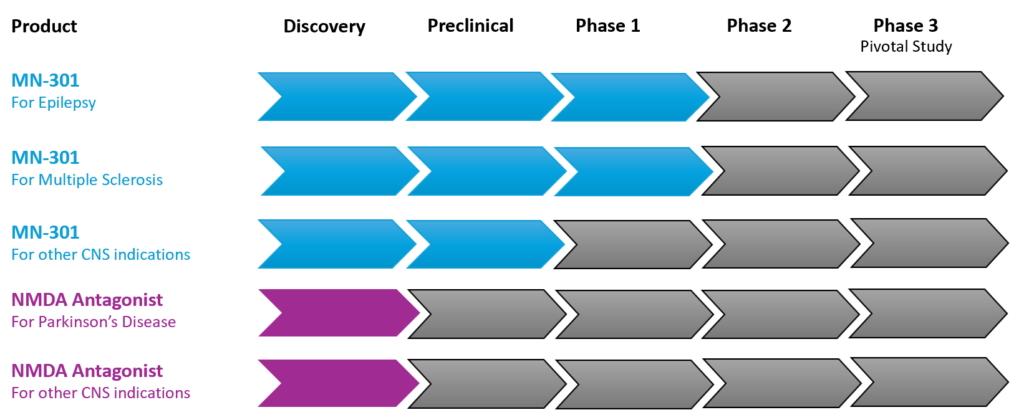
Mentara Bio Product Pipeline